Well, I am a dilettante. It’s only in England that dilettantism is considered a bad thing. In other countries it’s called interdisciplinary research.
— Brian Eno
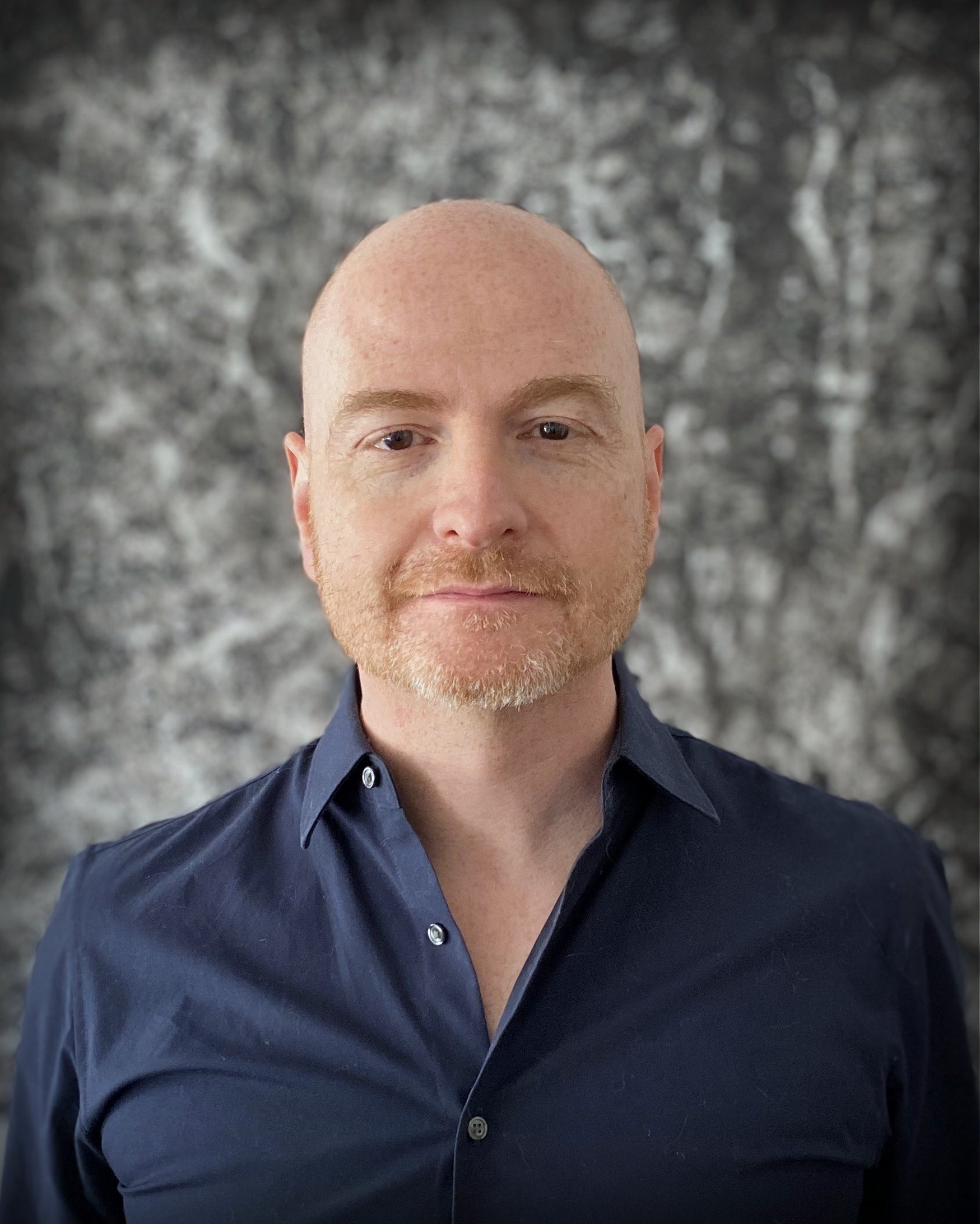
Nicholas B. King
Associate Professor
Department of Equity, Ethics, and Policy
Department of Epidemiology, Biostatistics, and Occupational Health
Max Bell School of Public Policy
McGill University
Associate Director
Trottier Institute for Science and Public Policy
Selected publications
A large language model-based tool for identifying relationships to industry in research on the carcinogenicity of benzene, cobalt, and aspartame
A proof-of concept paper applying InfluenceMapper, an automated tool that extracts and analyzes disclosure information in scientific papers, to a sample of 2046 papers to assess industry engagement with research on selected carcinogens.
Science and Public Policy in a Post-Pandemic World
How should we deal with the demystification of scientific authority and weaponization of uncertainty during the COVID-19 pandemic? This chapter argues that rather than lamenting this loss of authority, we can see it as an opportunity to build a more robust and enduring relationship between the scientific ethos and democratic institutions.
How global is global health research? A large-scale analysis of trends in authorship
A large-scale analysis of over 786,000 publications examining how well researchers affiliated with low- and middle-income countries are represented in global health research, and how this has changed over time.
Harm Reduction: A Misnomer
Harm reduction programs are usually justified on the utilitarian grounds that they aim to reduce the net harms of a behavior. In this paper, I contend that (1) the original intent and moral imperatives that guide harm reduction programs are not utilitarian; (2) the practical implementation of harm reduction programs is not, and probably cannot be, utilitarian; and (3) the continued justification of harm reduction on utilitarian grounds is untenable and may itself cause harm.